

We’re Not Being Funny, We’re Being Protective: Navigating the Holidays with Autism

The holiday season brings lights, laughter, music, and moments that many families look forward to all year. But for parents raising children on the autism spectrum, the holidays are often approached with caution rather than celebration. In this post, we explore why many autism parents set firm boundaries around holiday events—not to be rude, but to protect their child’s peace. Understanding this perspective creates space for compassion, inclusion, and a more meaningful celebration for all. Learn why autism parents often approach holiday traditions differently. Discover sensory-friendly tips and compassionate insights for supporting neurodivergent children during the holiday season.

It’s not because we don’t enjoy the festivities. It’s because we know—deeply—how overwhelming the season can be for our children.
The Reality of Sensory Overload
Imagine walking into a room filled with flashing lights, loud conversations, unfamiliar smells, and people you don’t know touching you or asking questions all at once.
For a neurotypical child, it might feel exciting.
For a child with autism, it can feel completely dysregulating. It's dysregulating for me!
Crowded spaces, surprise visits, loud music, and sudden changes in routine can trigger meltdowns—not because our kids are “acting out,” but because their nervous systems are trying to survive sensory chaos.
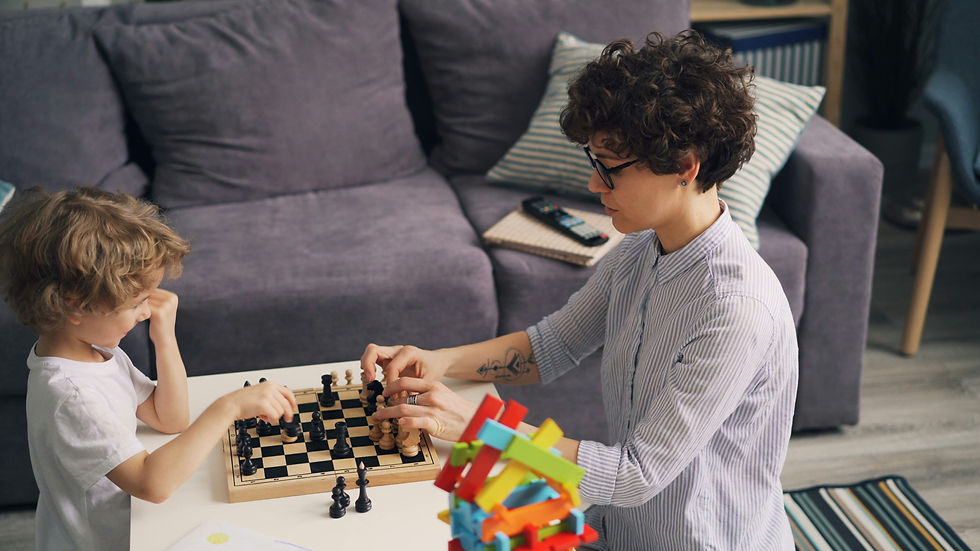
We’re Not Being Funny, We’re Being Protective
When autism parents leave early, bring their own snacks, ask about lighting or noise levels, or decline invitations, it’s not about being antisocial, dramatic, or “doing the most.”
It’s about prioritizing our child’s comfort and well-being over appearances.
It’s about prioritizing peace over performance.
We know what our children need—and during the holidays, that often means shielding them from overstimulation, even if others don’t understand why.
Tools That Help Make Holidays Inclusive
If you’re hosting or spending time with a family that includes a child on the spectrum, here are a few simple ways to show support:
Offer a quiet room or “sensory break” space
Lower the music volume or avoid flashing lights
Share the schedule or let parents know what to expect in advance
Respect “no hugs” or limited interaction
Don’t take boundaries personally—take them as love in action
Let Parents Parent Without Judgment
One of the greatest gifts we can offer autism parents during the holidays is understanding. Let’s normalize protective parenting. Let’s stop labeling it as “extra” or “over the top.”

Behind every carefully packed sensory kit, early exit, or declined invitation is a parent doing everything they can to keep their child safe, regulated, and happy.
Your Turn: If you’re an autism parent, how do you navigate the holidays? Drop your best sensory-friendly tips, traditions, or stories in the comments, or share with us on Instagram @horizonsoverthespectrum!
Here are some additional resources;


Comments